Can Tree Bark Grow Back?
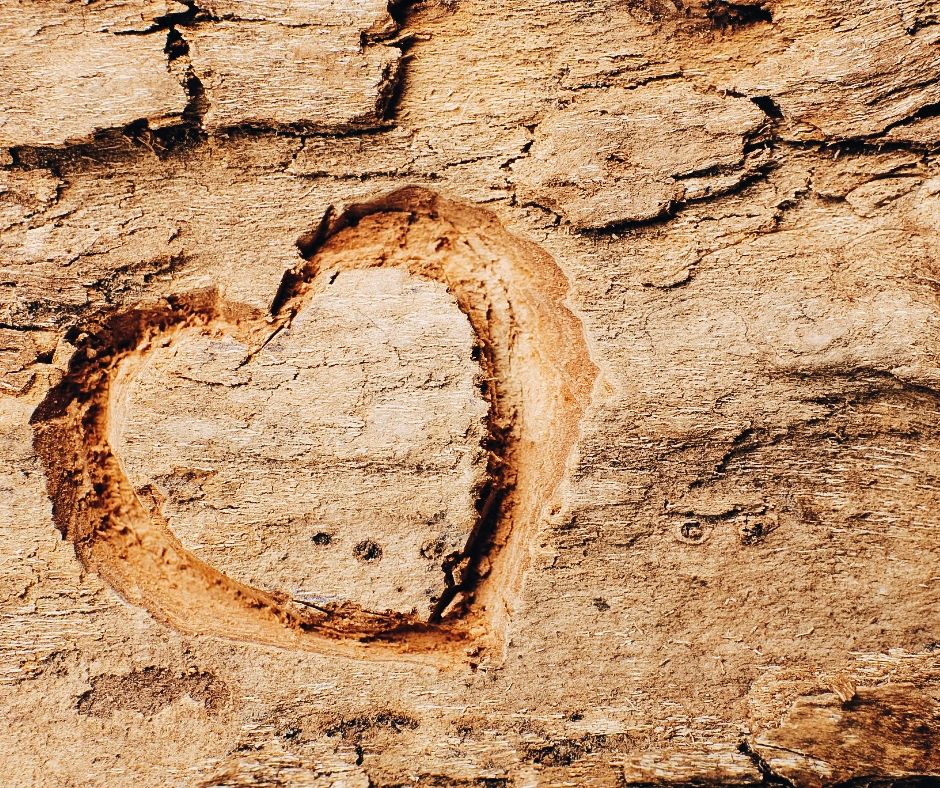
Here in Austin, Texas, our iconic Live Oaks and sprawling Pecan trees grace our streetscapes and backyards. They provide shade, beauty, and environmental benefits, making them vital parts of our city’s character. But what happens when a beloved tree suffers damage, leaving its bark cracked or missing?
At Adam’s Apple Tree Service, we understand the concern property owners face when they see damage on their trees. One common question we hear is: Can tree bark grow back?
The answer, unfortunately, is not always simple.
Understanding Tree Bark
Tree bark is a protective layer of organic tissue that shields the delicate inner wood from pests, diseases, and environmental factors like sunlight and temperature extremes. Unlike human skin, which can regenerate after minor injuries, tree bark cannot grow back once it’s been removed.
Trees Respond to Wounds
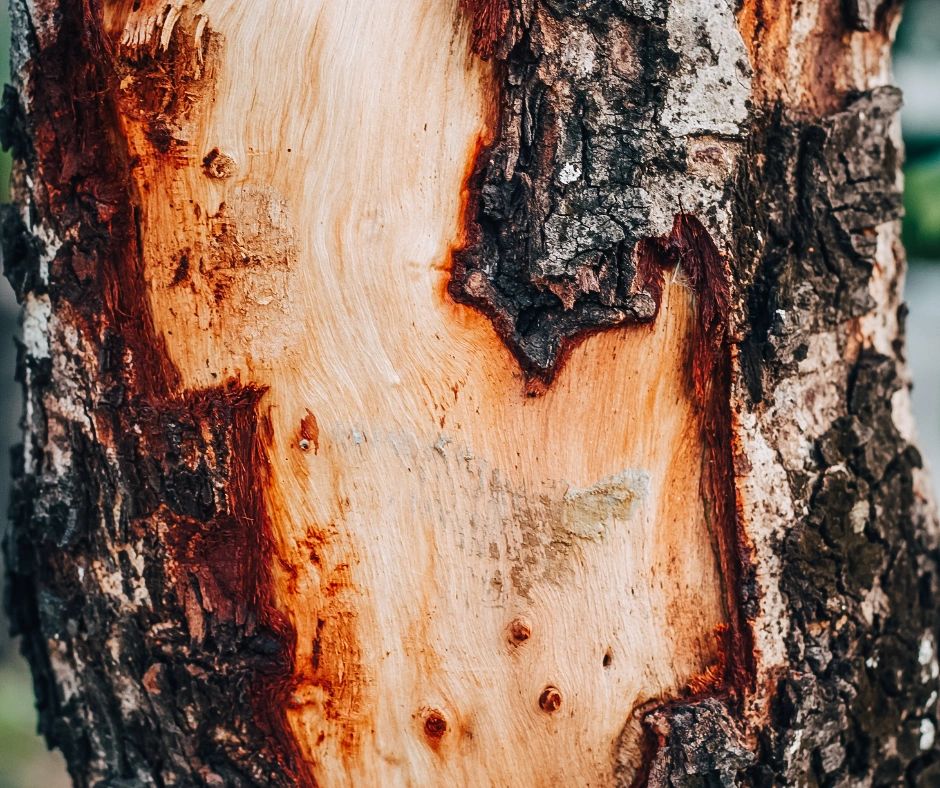
However, trees possess a remarkable ability to compartmentalize and close themselves off from old wounds. When bark is damaged, the tree responds by forming a callus around the injured area. This callus tissue serves as a barrier, preventing further damage and the spread of disease.
In arboriculture we are often reminded that “Trees don’t heal, they seal”
The size and severity of the damage will determine a tree’s ability to effectively compartmentalize the wound. Small cracks or scrapes may be effectively sealed by the callus tissue.
When to Call a Professional
Here are some situations where you should seek professional help from a tree expert at Adam’s Apple Tree Service:
Large areas of missing bark: Extensive damage exposes the inner wood, making the tree vulnerable to rot and disease.
Cracks that extend deep into the wood: These can compromise the structural integrity of the tree, posing a safety hazard.
Signs of decay around the wound: Fungus growth, oozing sap, or soft, discolored wood can be indicators of internal decay that needs addressing.
Caring for Your Trees
The best defense is a good offense! Here are some tips to help keep your Austin trees healthy and minimize the risk of bark damage:
Proper watering: Provide your trees with the right amount of water based on their species and the season.
Do not seal wounds: In almost all circumstances, it is better to allow the wound to naturally seal itself. In Central Texas, we make exceptions for our oaks due to the potential for spreading Oak Wilt.
Mulching & Compost: Apply a layer of mulch around the base of the tree to retain moisture and suppress weeds. Compost ensures the nutrients required for trees to grow are available in the soil.
Regular pruning/trimming: Schedule regular pruning by an expert to remove dead or diseased branches that could fall and damage the bark.
Inspect for signs of damage: Regularly check your trees for any wounds, cracks, or insect activity and address them promptly.
When you notice bark damage on a tree, don’t wait! Contact the professionals at Adam’s Apple Tree Service for a proper assessment and recommendations. Our tree experts can determine the best course of action, whether it’s promoting natural compartmentalization, providing wound care, or making difficult removal decisions if necessary.