
How Do Trees Grow?
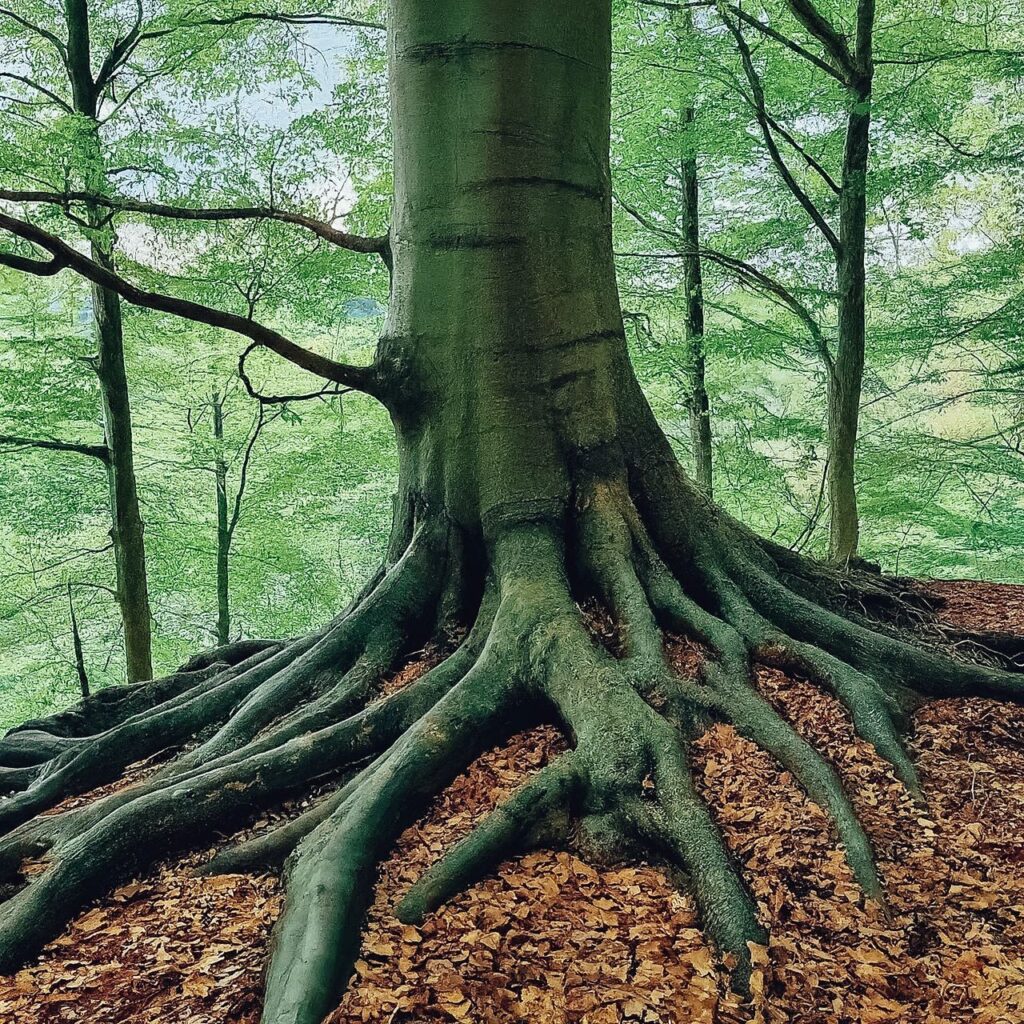
The Marvel of Tree Growth
Trees are some of the most majestic and long-lived organisms on our planet. In the Austin area, we have a diverse array of trees. Each one contributes to the beauty and ecological health of our environment. Have you ever stopped to wonder how these towering giants grow? Let’s take a closer look at the fascinating process of tree growth.
From Seed to Sapling
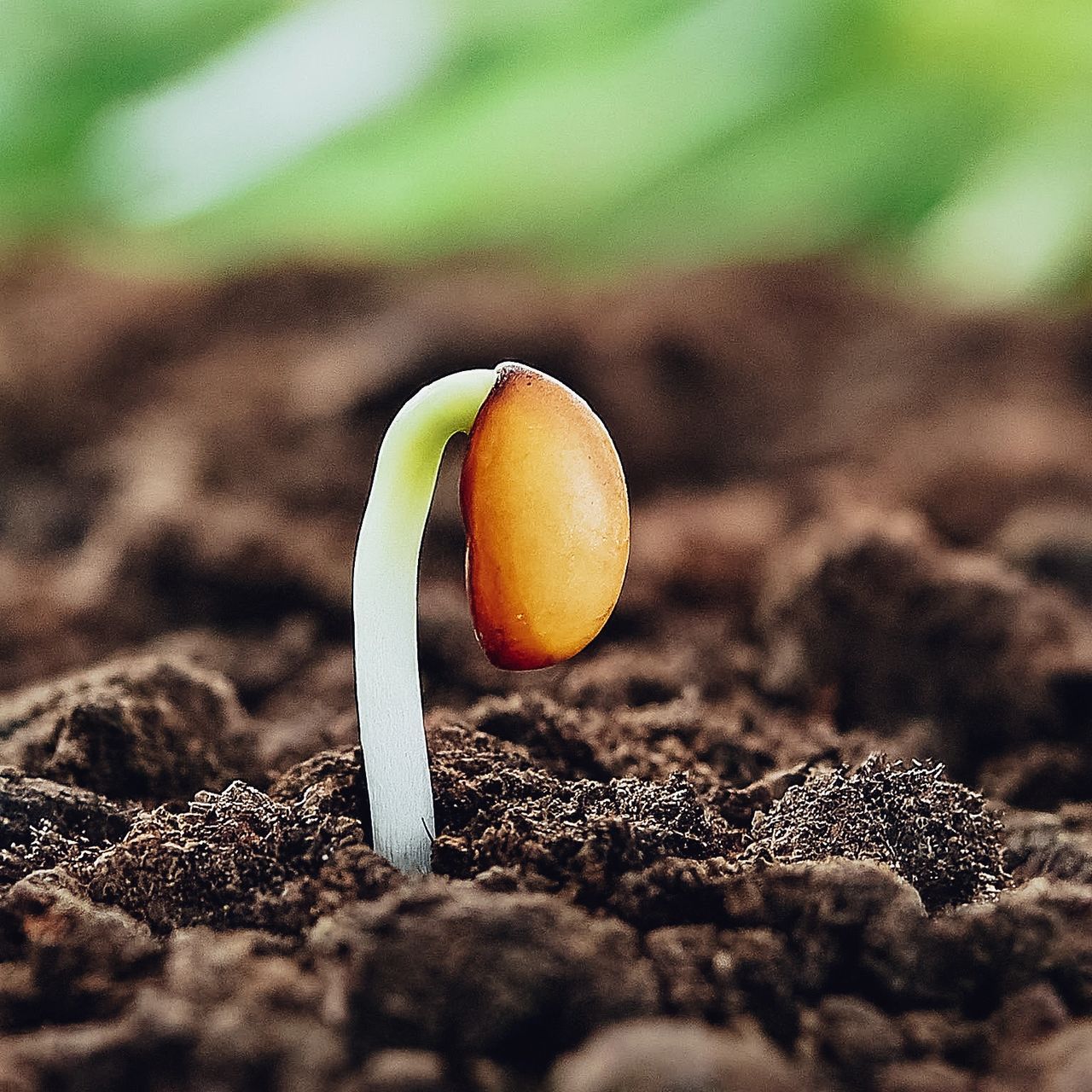
The journey of a tree begins with a tiny seed. Inside each seed is an embryo, a miniature version of the future tree. When conditions are right – with adequate moisture, warmth, and oxygen – the seed germinates. A tiny root emerges, anchoring the seedling into the soil and seeking out water and nutrients. Then, a shoot pushes its way upward, towards the sunlight.
Reaching for the Sky
Once established, the seed begins to grow. Trees have a unique way of growing, adding new layers of wood each year. This growth occurs in two areas:
The Cambium Layer: Located immediately beneath the bark. The cambium is a thin layer of cells that divides and produces new cells. These new cells differentiate into two types:
xylem cells– carry water and minerals up from the roots.
phloem cells– transport sugars produced in the leaves throughout the tree.
The Tips of Branches and Roots: At the very tips of branches and roots are groups of cells called meristems. These cells divide as the branches and roots elongate to explore new areas for resources.
How do Trees Decide Which Way to Grow?
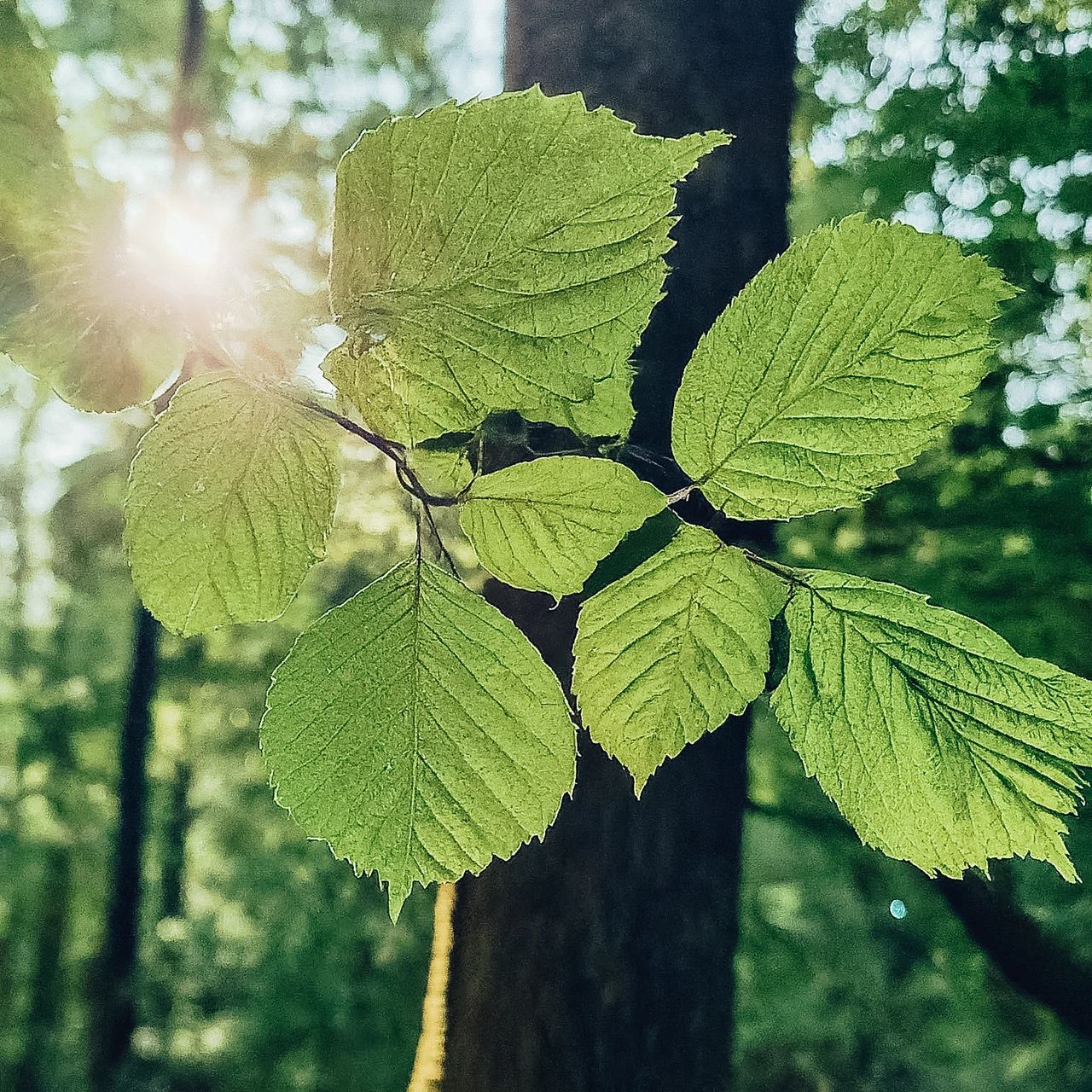
Sunlight: Trees grow towards sunlight (phototropism) to maximize photosynthesis.
Gravity: Roots grow downwards (positive gravitropism) while shoots grow upwards (negative gravitropism) to ensure proper anchoring and access to resources.
Space: Branches grow outwards to avoid competition and access more light (crown shyness).
Local Adaptation: Trees in challenging environments (like Austin’s hot summers), often express adaptations such as deep roots or leaf shedding.
Pruning: Humans can influence tree growth and shape through careful pruning.
Rings of Time
As the tree grows, the new layers of xylem form distinct rings within the trunk. These rings, known as annual growth rings, provide a record of the tree’s history. Wider rings tend to show years with favorable growing conditions. Narrower rings may signify years of drought or stress. Counting these rings can estimate the tree’s age. It also reveals the environmental conditions it has faced.
A Lifelong Process
Tree growth is a continuous process, influenced by a variety of factors. Sunlight, water, nutrients, and temperature all play a role in how fast and how large a tree can grow. In Austin’s climate, trees face unique challenges, including hot summers and occasional droughts. Proper care and maintenance can help trees thrive in our environment.
Trees are beautiful additions to our landscapes. They provide vital ecological benefits. Trees clean the air, conserve water, reduce stress, prevent erosion, give homes to wildlife, and more. In understanding how trees grow, we can appreciate their remarkable resilience. By learning more about them, we can better support our Austin area urban forest and ensure its future. At Adam’s Apple Tree Service, we’re passionate about helping trees. As experts, we know the importance of pruning and maintaining the health of your trees. We want to help ensure that your trees thrive for years to come.