Understanding the Debate Over Ball Moss Removal
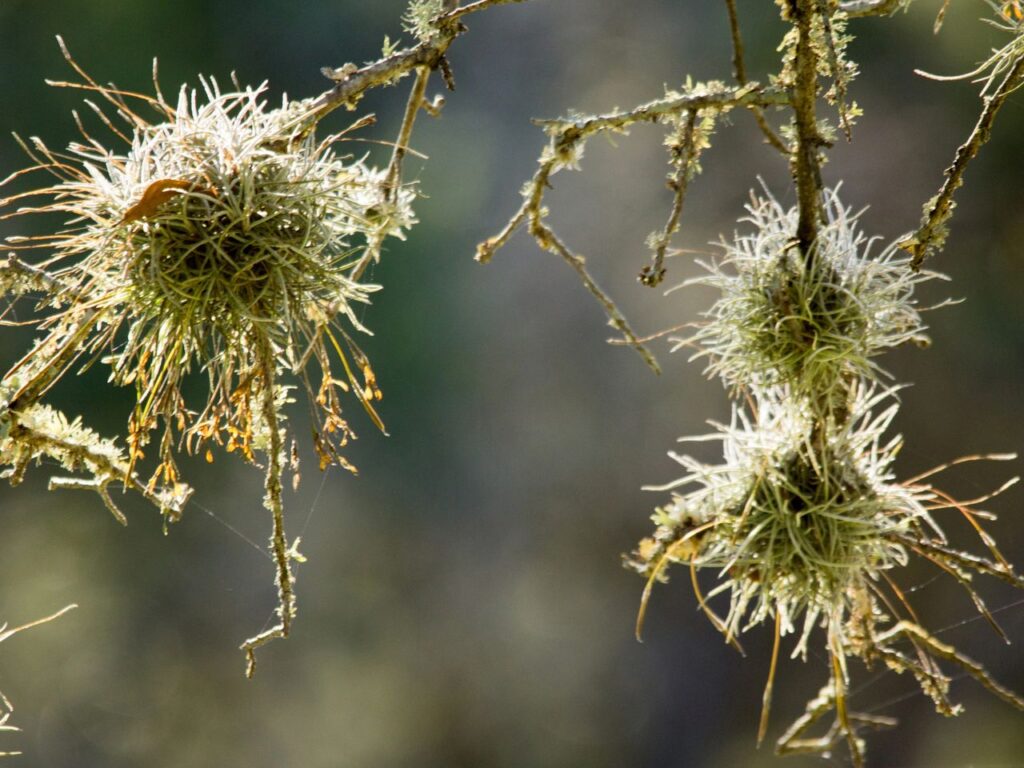
Austin’s iconic live oaks and cedar elms, with their sprawling branches and verdant canopies, are a defining feature of our city’s landscape. However, these trees often share their space with a curious resident: ball moss. This epiphyte, with its distinctive silvery-green clumps, can spark concern among homeowners who worry about its impact on tree health. The question often arises: is ball moss removal necessary? Let’s delve deeper into this topic.
Separating Fact from Fiction: Ball Moss is Not a Parasite
Before jumping to conclusions, it’s crucial to dispel a common myth. Ball moss, unlike mistletoe, is not a parasitic plant. It doesn’t leach nutrients from its host tree, but rather survives on rainwater, air, and the occasional bit of dust and debris that settles in its wiry tendrils. This makes it an epiphyte, a plant that merely utilizes other plants for support without causing harm.
The Unexpected Advantages of Ball Moss
While its appearance might not be everyone’s cup of tea, ball moss plays a vital role in our ecosystem, offering surprising benefits:
Haven for Wildlife: Many birds use ball moss as a cozy nesting material and protective cover for their young. It also serves as a microhabitat for various beneficial insects, including those that help control other tree pests.
Environmental Guardian: Similar to other plants, ball moss absorbs carbon dioxide and releases oxygen, contributing to cleaner air and a healthier environment.
Air Quality Indicator: The presence of ball moss, which thrives in areas with good air quality, can be a sign that your neighborhood enjoys relatively clean air.
When Ball Moss Removal Might Be Warranted
Although ball moss is generally harmless, there are specific scenarios where ball moss removal may be considered:
Overwhelming Growth: In exceptional cases where ball moss blankets a tree’s branches, it could potentially obstruct sunlight and inhibit healthy growth.
Aesthetic Preferences: Some homeowners may find ball moss visually unappealing and opt for its removal purely for cosmetic reasons.
Preventing Ball Moss Over-Growth
Interestingly, a significant amount of ball moss removal can be achieved through a standard tree care practice: deadwood pruning/trimming. By removing dead or dying branches, where ball moss tends to thrive, you can eliminate a substantial portion – typically 65% to 80% – of the ball moss present in the tree. This effective approach tackles multiple tree care needs simultaneously, without the need to dedicate resources solely to ball moss removal.
Why Adam’s Apple Tree Service Takes a Cautious Approach to Ball Moss Removal
At Adam’s Apple Tree Service, we champion a balanced approach to tree care that respects the interconnectedness of the natural world. We believe that removing ball moss often disrupts the delicate ecosystem, potentially harming the tree and its surrounding environment. Additional concerns include:
Potential for Tree Damage: Ball moss removal techniques, whether manual or chemical, can inadvertently injure the tree’s bark and branches, leaving it vulnerable to disease and pests.
Unnecessary Resource Consumption: Removing ball moss requires time, effort, and financial resources that could be better directed towards other essential tree care practices.
Our Commitment to Tree Health: The Adam’s Apple Way
Rather than resorting to ball moss removal as a first line of defense, our focus lies in nurturing the overall health and vitality of your trees.Let’s Discuss Your Tree Care Goals: Free Estimates are available If you have questions or concerns about ball moss or any other aspect of your tree’s well-being, we invite you to reach out to Adam’s Apple Tree Service for a complimentary consultation. Our experienced team is ready to evaluate your trees, answer your questions, and provide expert guidance. Together, we can create a tree care plan that ensures your trees thrive for years to come.