
What Makes a Tree Invasive in Central Texas?
Here in Austin, TX, our iconic Live Oaks and sprawling Pecan trees are a source of beauty and shade. But lurking amongst these native giants can be hidden invaders – trees that disrupt the delicate balance of our Central Texas ecosystems. These are invasive species, and they can wreak havoc on our local environment.
What Does it Mean When a Tree is Considered Invasive?
An invasive tree isn’t inherently bad. The problem arises when they’re introduced to a new environment, lacking natural controls like diseases or insects that keep their populations in check. This allows them to reproduce rapidly, outcompete native plants for resources like water and sunlight, and ultimately threaten the health of our local urban forests.
Invasive Species in Central Texas
Several invasive tree species pose a threat to Central Texas. Here are a few common culprits:

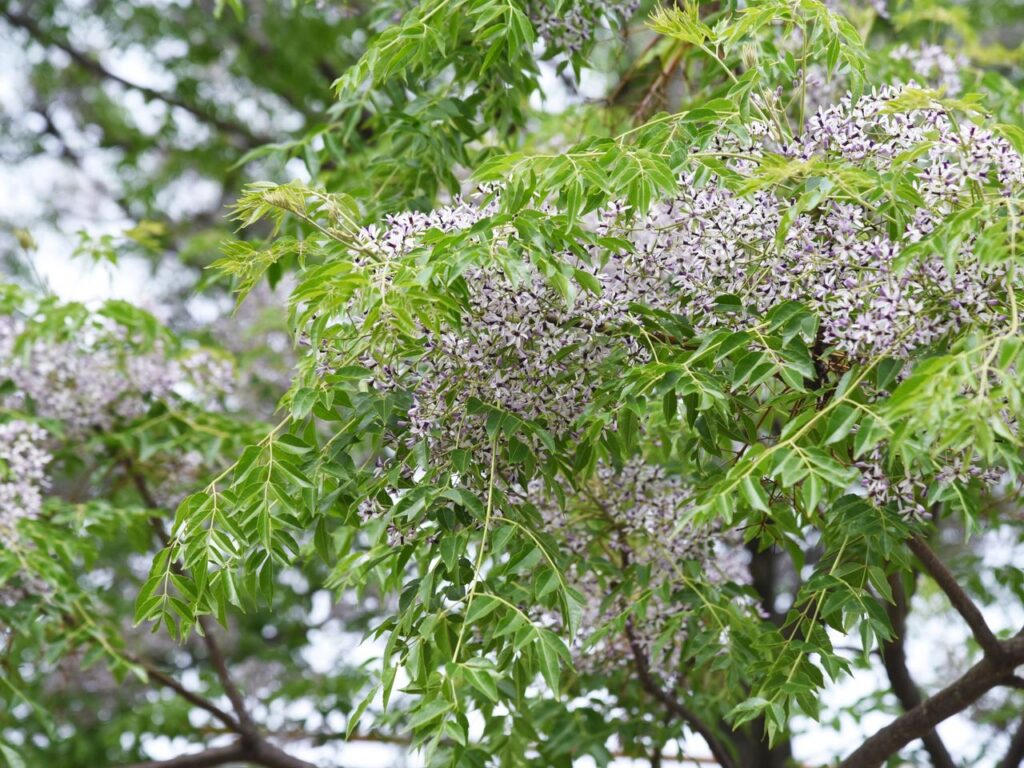
Chinaberry Tree
Melia azedarach (Chinaberry): These prolific berry-producers crowd out native trees and shrubs, and their berries are poisonous to humans and animals. They are also short-lived and tend to fail prematurely.
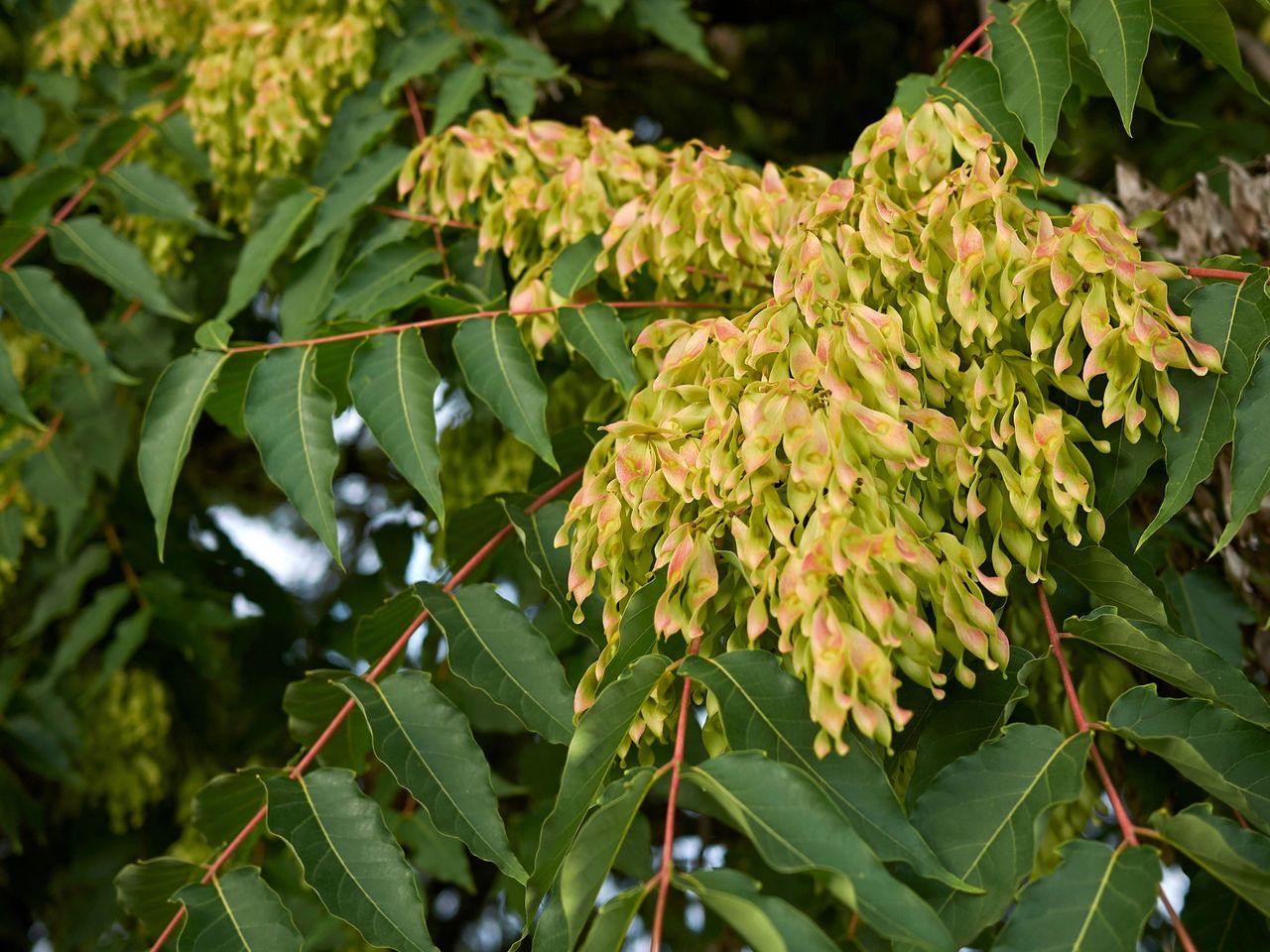
Tree of Heaven
Ailanthus altissima (Tree of Heaven):This fast-growing, foul-smelling tree harms native plants by squeezing into tight areas and blocking sunlight.
Triadica sebifera (Chinese Tallow): This fast-growing tree may seem attractive with its fall foliage, but it shades out native plants and creates dense monocultures.
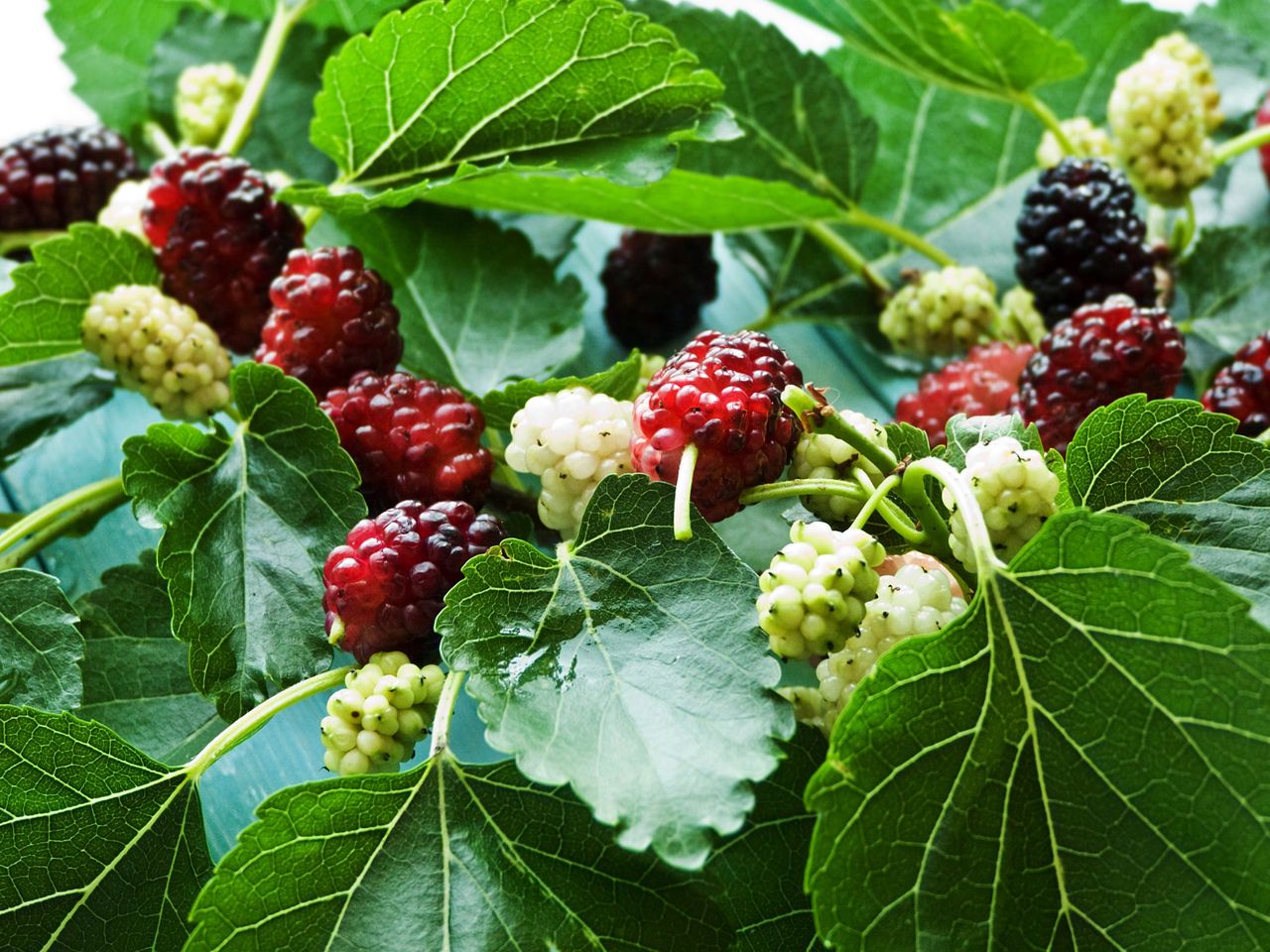
Paper Mulberry
Broussonetia papyrifera (Paper Mulberry): Paper mulberry exhibits aggressive growth and quickly invades disturbed lands, displacing native plants. It has a shallow root system that makes the trees susceptible to blow over during high winds.
Morus alba (White Mulberry): Displaces native species, possibly hybridizing with and transmitting a root disease to the native red mulberry. Most closely resembles the Red Mulberry (Morus rubra) but the leaves are different. Morus alba leaves have glossy surfaces whereas the leaves of Morus rubra do not.
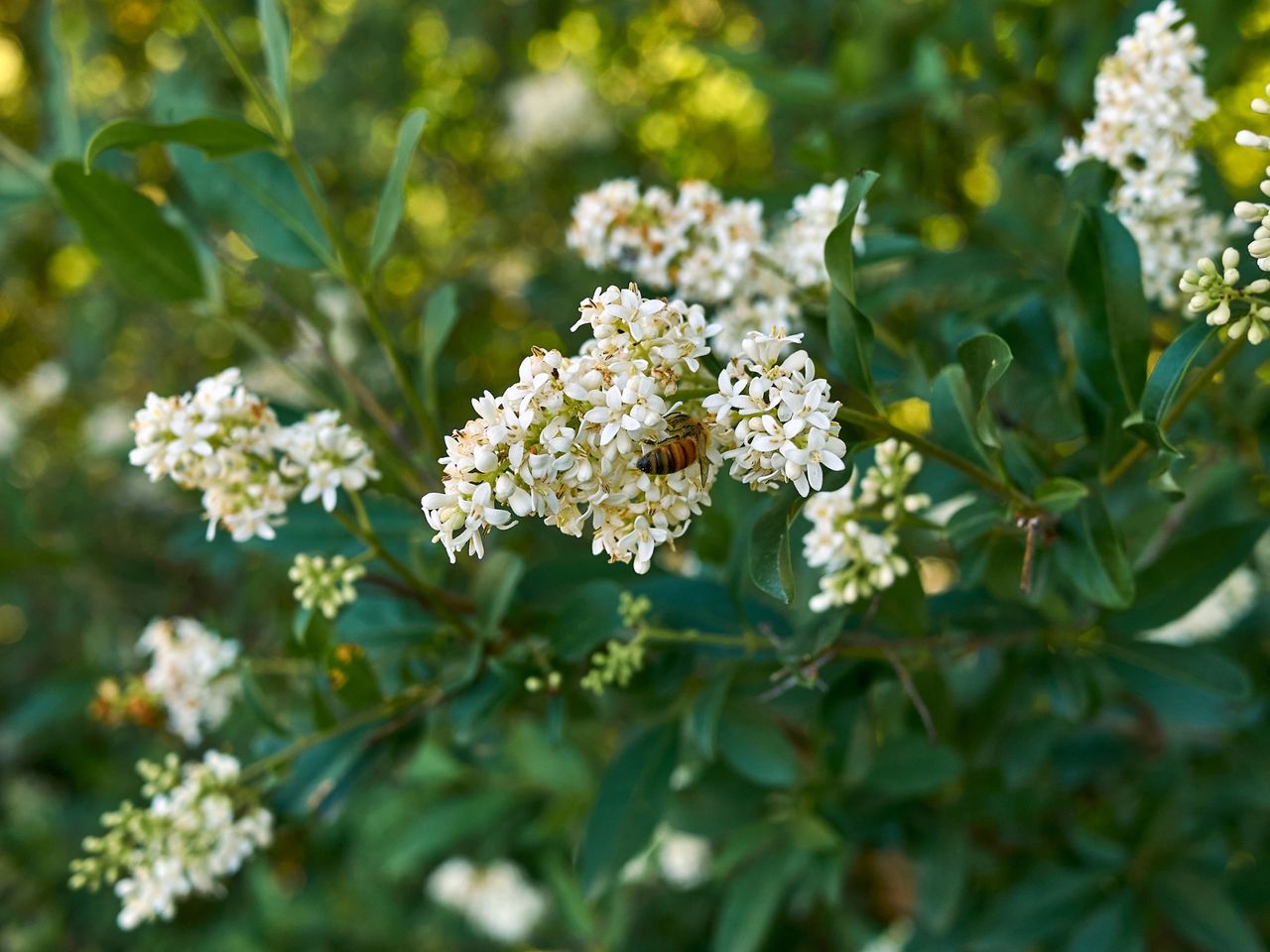
Ligustrum
Ligustrum sinense (Ligustrum or Chinese Privets): Aggressive and troublesome invasives, often forming dense thickets, particularly in bottom-land forests and along fencerows, thus gaining access to forests, fields, and right-of-ways.
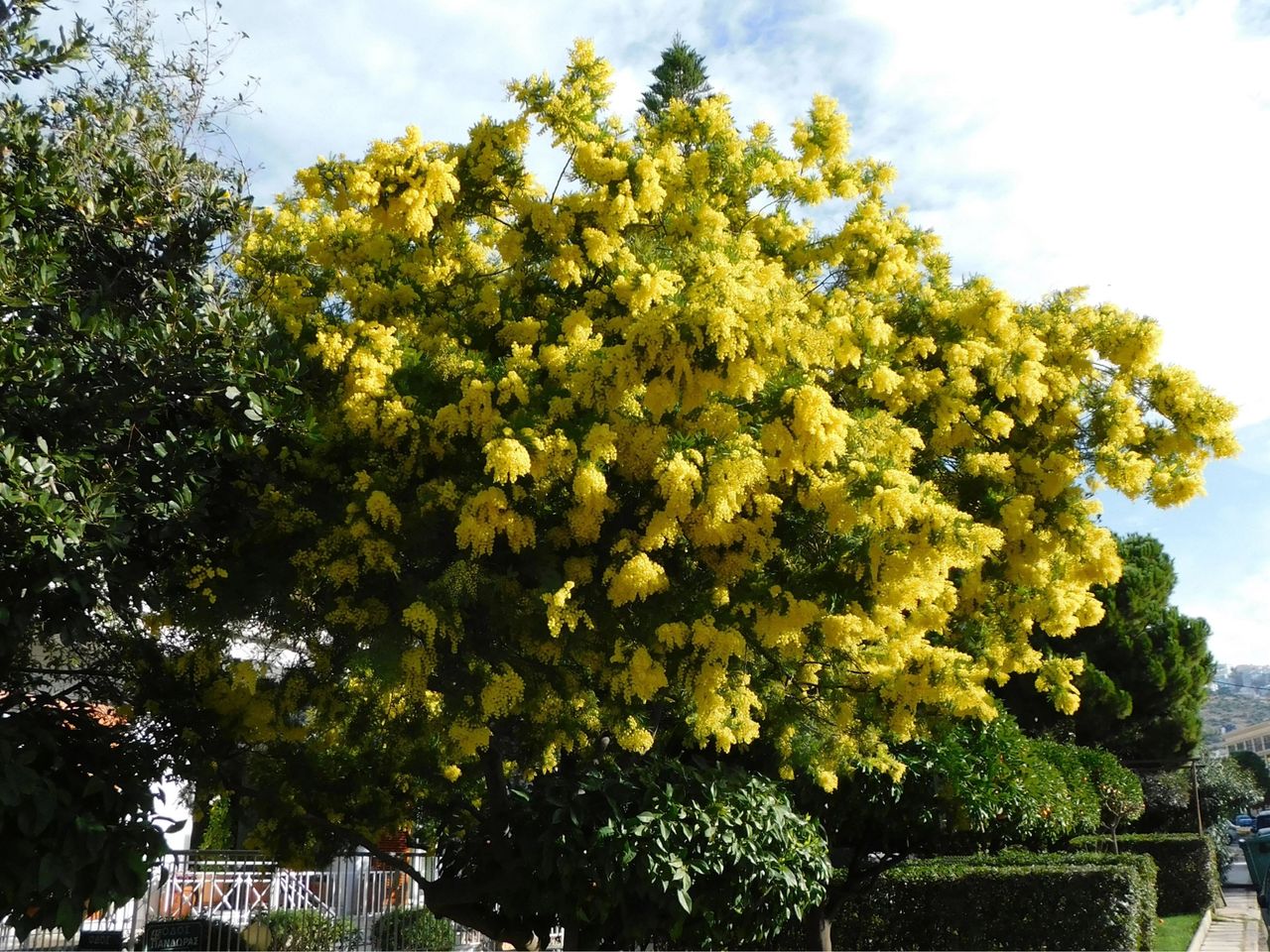
Mimosa Tree
Albizia julibrissin (Mimosa or Silk Tree): Because silk tree can grow in a variety of soils, produce large seed crops, and resprout when damaged, it is a strong competitor to native trees and shrubs in open areas or forest edges. Dense stands of mimosa severely reduce the sunlight and nutrients available for other plants.
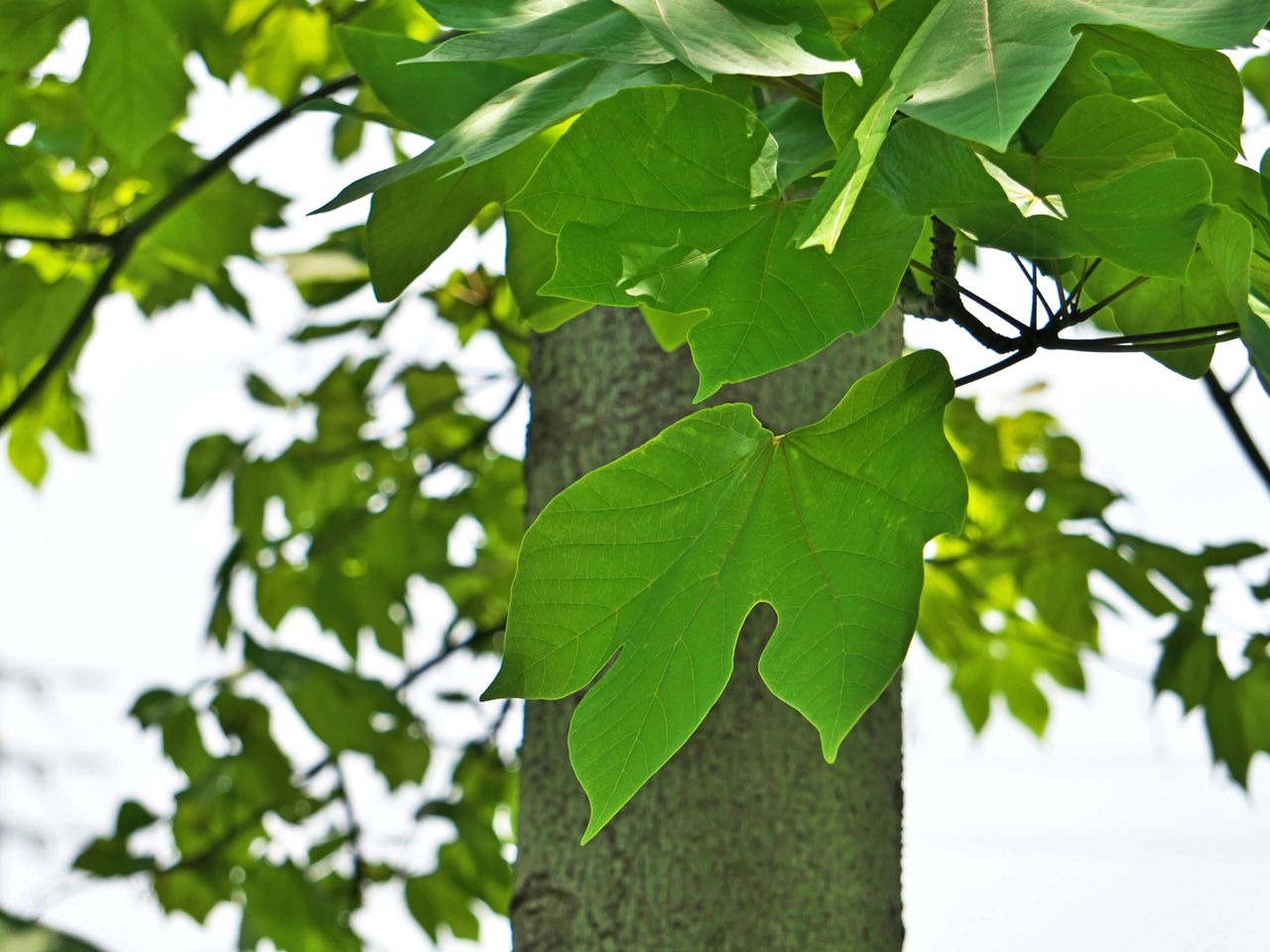
Chinese Parasol
Firmiana Simplex (Chinese Parasol Tree): quick growth and aggressive competition has allowed Chinese parasoltree to propagate outside of landscaped areas. It is being reported more often along roadsides and other disturbed areas. This plant is self-fertile which means it only takes one tree to produce fertile seeds.
The Impact of Invasive Trees
Invasive trees can have a significant negative impact on our Central Texas environment:
Generally short lived: relative to many native species causing risk of premature failure
Reduced Biodiversity: By outcompeting native trees, invasive species reduce the variety of plant life, which in turn affects the animal species that depend on them for food and habitat.
Erosion Problems: Rapid root growth of some invasive species can destabilize soil, leading to increased erosion, especially along waterways.
Fire Risks: Invasive species often have flammable foliage, contributing to the spread of wildfires.
What You Can Do
If you’re a homeowner and suspect you have an invasive tree on your property, it’s crucial to take action. Here’s what you can do:
Identify the Tree: Consult a tree professional or use online resources to identify the tree species.
Research Removal Options: Some invasive species require professional removal techniques. Adam’s Apple Tree Service can help you assess the situation and develop a safe and effective removal plan.
Plant Native Trees: Replace invasive trees with native species that contribute to a healthy Central Texas ecosystem. Adam’s Apple Tree Service can recommend beautiful and beneficial native trees for your landscape.
By working together, we can help protect the beauty and ecological health of our Central Texas trees. Let’s keep Austin a haven for native species and say no to invasive imposters.
Looking for Help with Invasive Trees?
Contact Adam’s Apple Tree Service today for a free estimate. Our tree experts can help you identify invasive trees, develop a removal plan, and recommend native replacements for a healthy, thriving landscape.
For more on invasive species in Texas, visit TexasinvasivesTexas Invasives